 ES
ES




 English
 русский
 日本語
日本語 Español
Reductor planetario de la serie AHS
Cat:Reductor planetario
Los reductores planetarios ocupan una posición importante en el campo de la automatización industrial. El diseño de alta precisión permite controla...
Ver detallesLas cajas de engranajes planetarias son componentes fundamentales en los sistemas de control de movimiento modernos y sirven como interfaz crítica entre los servomotores y la maquinaria accionada. Para los fabricantes, integradores de sistemas e ingenieros que operan en los mercados europeo y sudamericano, comprender las diferencias técnicas entre los reductores planetarios de engranajes rectos y helicoidales es fundamental para seleccionar el componente adecuado para aplicaciones de alta precisión. La elección entre estas dos geometrías de engranajes afecta directamente el rendimiento del sistema, los niveles de ruido, la capacidad de carga y la confiabilidad a largo plazo.
Este análisis integral proporciona una comparación en profundidad de los reductores planetarios de engranajes rectos y helicoidales, con especial atención en la filosofía de diseño de la serie AHB. Al examinar factores críticos como la geometría de los engranajes, el rendimiento del juego, la rigidez torsional, la gestión de la carga de los rodamientos y la idoneidad de la aplicación, esta guía tiene como objetivo dotar a los profesionales de la industria del conocimiento necesario para tomar decisiones informadas. Comprender estas diferencias es esencial para optimizar el rendimiento del sistema de movimiento en entornos industriales exigentes.
La selección de un reductor planetario no es simplemente una cuestión de relación de reducción y clasificación de par. Requiere una evaluación holística de cómo interactuará la caja de cambios con el servosistema bajo diversas condiciones de carga, perfiles de velocidad y factores ambientales. Como fabricante líder con amplia experiencia en exportación, reconocemos los diversos requisitos de los proyectos globales de automatización y robótica. Esta guía sintetiza la experiencia técnica y los comentarios del mercado para presentar una comparación clara y práctica para sus aplicaciones críticas.
Contenido
La principal distinción entre reductores planetarios de engranajes helicoidales y rectos radica en la geometría del diente. Los engranajes rectos cuentan con dientes que son paralelos al eje del engranaje y se engranan repentina y completamente en toda la cara del diente simultáneamente. Este diseño es mecánicamente simple y eficiente para la transmisión de potencia, pero produce mayores niveles de vibración y ruido debido al acoplamiento y desacoplamiento abrupto de los dientes.
Por el contrario, los engranajes helicoidales tienen dientes cortados en ángulo con respecto al eje del engranaje. Este diseño en ángulo permite un acoplamiento gradual, con múltiples dientes compartiendo la carga en un momento dado. La mayor relación de contacto da como resultado una transmisión de par más suave, una vibración significativamente reducida y un funcionamiento más silencioso. Sin embargo, los engranajes helicoidales generan fuerzas de empuje axiales que deben ser gestionadas por el sistema de rodamientos, lo que introduce una complejidad adicional en el diseño.
En las cajas de cambios planetarias, esta diferencia fundamental tiene profundas implicaciones para todo el sistema. El reductor de caja de engranajes planetarios AHB de par de torsión de alta precisión y bajo juego utiliza engranajes helicoidales para lograr su característico funcionamiento suave y silencioso, lo que lo hace adecuado para aplicaciones críticas para el ruido, como equipos médicos, automatización de laboratorio y maquinaria de impresión de precisión. El diseño helicoidal también contribuye a la capacidad de alta precisión del reductor, con un juego nominal inferior a 3 minutos de arco.
El juego, o juego angular entre los ejes de entrada y salida, es un parámetro crítico para aplicaciones de posicionamiento de precisión. La serie AHB logra un juego por debajo de 3 minutos de arco, lo que permite un posicionamiento preciso en servosistemas de circuito cerrado. Este nivel de precisión es esencial para aplicaciones que requieren un posicionamiento preciso, como máquinas herramienta CNC, manipuladores robóticos y equipos de inspección automatizados.
Los engranajes helicoidales contribuyen a un juego reducido gracias al engrane continuo de sus dientes. La acción de engrane gradual reduce el juego mecánico que puede acumularse en los trenes de engranajes, manteniendo la precisión posicional incluso bajo condiciones de carga variables. El rectificado de dientes de alta precisión y el cementado de los engranajes garantizan que este bajo juego se mantenga durante toda la vida útil del reductor.
A modo de comparación, los reductores planetarios estándar suelen ofrecer un juego en el rango de 10 a 15 minutos de arco, mientras que los reductores de alta precisión alcanzan de 1 a 3 minutos de arco. La serie AHB se alinea con la categoría de alta precisión, lo que la hace adecuada para aplicaciones de posicionamiento exigentes. El uso de rodamientos de rodillos integrales mejora aún más la precisión al proporcionar una alta rigidez y mantener la alineación de los engranajes bajo carga.
La capacidad de carga y la rigidez torsional son consideraciones esenciales para los sistemas de movimiento de alto rendimiento. La serie AHB utiliza rodamientos de rodillos integrales para lograr una alta rigidez y capacidad de transmisión de torsión. Este enfoque de diseño mejora significativamente la capacidad del reductor para soportar ciclos rápidos de aceleración y desaceleración sin perder la sincronización posicional.
Uno de los desafíos clave del diseño de las cajas de engranajes planetarios helicoidales es la gestión de las fuerzas axiales generadas por el engranaje del engranaje. Estas fuerzas axiales crean momentos de inclinación en los engranajes planetarios, lo que puede provocar una distribución desigual de la carga a lo largo de los cojinetes de agujas. La serie AHB aborda este desafío mediante el uso de rodamientos de rodillos integrales que brindan una capacidad de carga axial mejorada y mantienen la alineación bajo carga.
Los reductores planetarios de engranajes rectos, si bien carecen del desafío de la fuerza axial, no se benefician de la transmisión suave del par de los engranajes helicoidales. El engrane abrupto de los dientes de los engranajes rectos genera mayores niveles de vibración y ruido, lo que puede afectar el rendimiento del sistema en aplicaciones de precisión. Sin embargo, los diseños de engranajes rectos ofrecen ventajas en aplicaciones donde se prioriza la densidad de par máxima sobre el funcionamiento suave.
Para facilitar una comparación clara entre los reductores planetarios de engranajes helicoidales y rectos, la siguiente tabla resume los parámetros clave de rendimiento y sus implicaciones para diferentes escenarios de aplicación.
| Parámetro | Reductor planetario helicoidal (Serie AHB) | Reductor planetario de estímulo |
|---|---|---|
| Contragolpe | < 3 minutos de arco | 10 - 15 minutos de arco |
| Nivel de ruido | Bajo; buen funcionamiento | Más alto; encajamiento abrupto de los dientes |
| Gestión de fuerzas axiales | Requiere un diseño de rodamiento robusto | No se genera fuerza axial |
| Rigidez torsional | Alto; rodamientos de rodillos integrales | moderado |
| Capacidad de carga | Alto; diseño optimizado | Alto; densidad de par enfocada |
| Aplicaciones típicas | Equipos médicos, robótica, maquinaria de impresión. | Automatización general, manipulación de materiales. |
| Vida útil | 20.000 horas en condiciones nominales | Varía según el diseño y la aplicación. |
La selección de un reductor planetario debe estar alineada con las demandas específicas de la aplicación de destino. La serie AHB se utiliza en sistemas de transmisión que requieren multiplicación de par, precisión de posicionamiento y reducción de ruido. Las aplicaciones incluyen transmisiones de ejes para precisión de contorno en máquinas herramienta CNC, reductores de juntas para robots industriales, etapas lineales y rotativas para sistemas de ensamblaje y ejes de movimiento para equipos de corte y grabado por láser.
Para aplicaciones donde el ruido es una preocupación crítica, como equipos de imágenes médicas o sistemas de automatización de laboratorio, el funcionamiento suave y silencioso de los reductores planetarios helicoidales es esencial. El diseño de engranajes helicoidales de la serie AHB logra un funcionamiento suave y silencioso en todo el rango de velocidades de funcionamiento, lo que la hace adecuada para entornos sensibles al ruido.
En aplicaciones donde la densidad de par y la rentabilidad son los principales impulsores, los reductores planetarios de engranajes rectos pueden ofrecer ventajas. Sin embargo, los niveles más altos de ruido y vibración de los sistemas de engranajes rectos pueden afectar la precisión y la confiabilidad a largo plazo en aplicaciones exigentes. La elección entre los dos diseños a menudo se reduce a un equilibrio entre un funcionamiento suave y una densidad de par.
Para aplicaciones industriales críticas que requieren alta precisión y confiabilidad, explorar opciones como el Reductor de caja de cambios planetaria AHB de torsión de alta precisión y juego bajo proporciona información sobre los beneficios del diseño de engranajes helicoidales y la tecnología avanzada de rodamientos.
La serie AHB está diseñada para funcionar sin mantenimiento durante su vida útil. La grasa no separable de alta viscosidad mantiene la integridad de la lubricación y no requiere reemplazo durante la vida operativa del producto. Este enfoque de diseño simplifica la instalación y reduce el costo total de propiedad, particularmente en aplicaciones donde el acceso para mantenimiento es limitado.
La vida útil de la serie AHB es de 20.000 horas en condiciones operativas nominales. Esta longevidad se logra mediante la combinación de engranajes cementados, rectificado de dientes de alta precisión y un diseño de rodamiento robusto. Los rodamientos de rodillos integrales y la geometría optimizada de los engranajes garantizan que el reductor mantenga su precisión y eficiencia durante toda su vida útil.
A modo de comparación, la vida útil de los reductores planetarios varía significativamente según el diseño y la aplicación. Los reductores planetarios estándar suelen ofrecer vidas útiles más cortas, mientras que los diseños de alta precisión como la serie AHB están diseñados para un funcionamiento prolongado en entornos industriales exigentes. El diseño libre de mantenimiento mejora aún más la propuesta de valor para los usuarios que requieren un rendimiento confiable y a largo plazo.
La gestión térmica eficaz es esencial para mantener el rendimiento y la longevidad de los reductores planetarios. La serie AHB está diseñada para funcionar dentro de un rango de temperatura de -10 °C a 90 °C. La operación prolongada fuera de este rango puede afectar la viscosidad de la grasa y el rendimiento del sello, lo que afecta la confiabilidad y la vida útil del reductor.
El diseño del engranaje helicoidal contribuye a la gestión térmica a través de su acción de engrane suave, que reduce el calor generado por la fricción en comparación con los engranajes rectos. La transmisión de alta eficiencia de los engranajes helicoidales normalmente alcanza eficiencias del 90% al 97%, minimizando las pérdidas de energía y la generación de calor durante la operación. Para aplicaciones exigentes, puede ser necesario enfriamiento por aire forzado u otras medidas de gestión térmica para mantener el reductor dentro de su rango de temperatura de funcionamiento seguro.
Se recomienda un control regular de la temperatura de funcionamiento para garantizar un rendimiento óptimo y evitar el desgaste prematuro. Los sistemas deben diseñarse para mantener el reductor dentro de su rango de temperatura especificado, considerando las condiciones ambientales, el ciclo de trabajo y el perfil de carga.
¿Cuál es la principal ventaja de los engranajes helicoidales sobre los engranajes rectos en los reductores planetarios?
Los engranajes helicoidales proporcionan un funcionamiento más suave y silencioso debido al engrane gradual de los dientes. La mayor relación de contacto reduce la vibración y el ruido, lo que los hace ideales para aplicaciones de precisión. Sin embargo, generan fuerzas axiales que deben ser gestionadas por el sistema de rodamientos.
¿Cómo logra la serie AHB su especificación de bajo juego?
La serie AHB combina geometría de engranajes helicoidales con rectificado de dientes de alta precisión y engranajes cementados para lograr un juego inferior a 3 minutos de arco. Los rodamientos de rodillos integrales mantienen la alineación de los engranajes bajo carga, lo que garantiza una precisión constante durante toda la vida útil.
¿Cuál es la vida útil esperada del reductor serie AHB en condiciones nominales?
La serie AHB proporciona 20 000 horas de vida útil en condiciones operativas nominales. La vida real depende del perfil de carga, el ciclo de trabajo, la temperatura ambiente y la alineación de la instalación. El diseño libre de mantenimiento con grasa no separable elimina la necesidad de reemplazar la lubricación.
¿Qué relaciones de reducción están disponibles en la Serie AHB?
Las configuraciones de una etapa y de varias etapas están disponibles con relaciones típicas que incluyen 3, 4, 5, 6, 7, 8, 9, 10, 15, 20, 25, 30, 35, 40, 50, 60, 70, 80, 90 y 100. Consulte el catálogo de productos para conocer las especificaciones de relaciones específicas.
¿Puede el diseño de orificio pasante acomodar cables o líneas neumáticas?
Sí, el orificio pasante del extremo de salida se puede utilizar para cables, líneas neumáticas o ejes. Verifique el diámetro y la longitud del orificio con el diámetro exterior de su componente y el espacio libre requerido. Esta característica permite el montaje directo y la integración simplificada del sistema.
1. Beitto Transmission Technology Co., Ltd. (2024). Ficha técnica del producto del reductor planetario serie AHB. Zhejiang, China.
2. Organización Internacional de Normalización. (2016). ISO 1122-1:2016 - Vocabulario de términos de engranajes. Parte 1: Definiciones relacionadas con la geometría. Ginebra, Suiza.
3. Asociación Estadounidense de Fabricantes de Engranajes. (2020). AGMA 6123-B20 - Manual de diseño para transmisiones por engranajes epicíclicos cerrados. Alejandría, Virginia, Estados Unidos.
4. Dudley, DW (2008). Manual de diseño y fabricación de engranajes prácticos (2ª ed.). Prensa CRC, Boca Ratón, FL.
5. Instituto Alemán de Normalización. (2018). DIN 3994-1:2018 - Engranajes cilíndricos de espiral para aplicaciones industriales. Cálculo de la capacidad de carga del flanco del diente del engranaje. Berlín, Alemania.
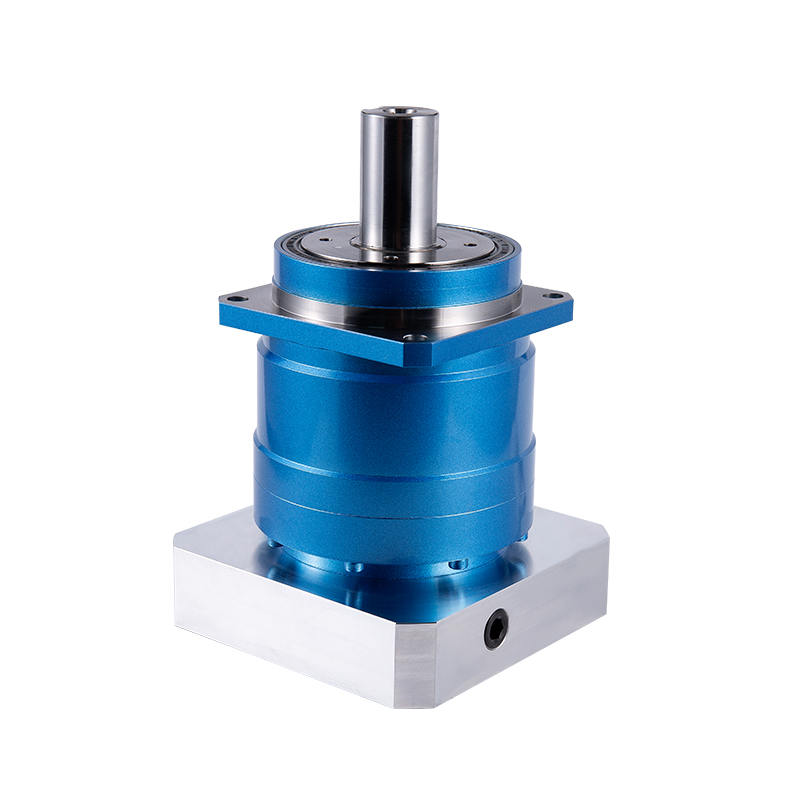
Los reductores planetarios ocupan una posición importante en el campo de la automatización industrial. El diseño de alta precisión permite controla...
Ver detalles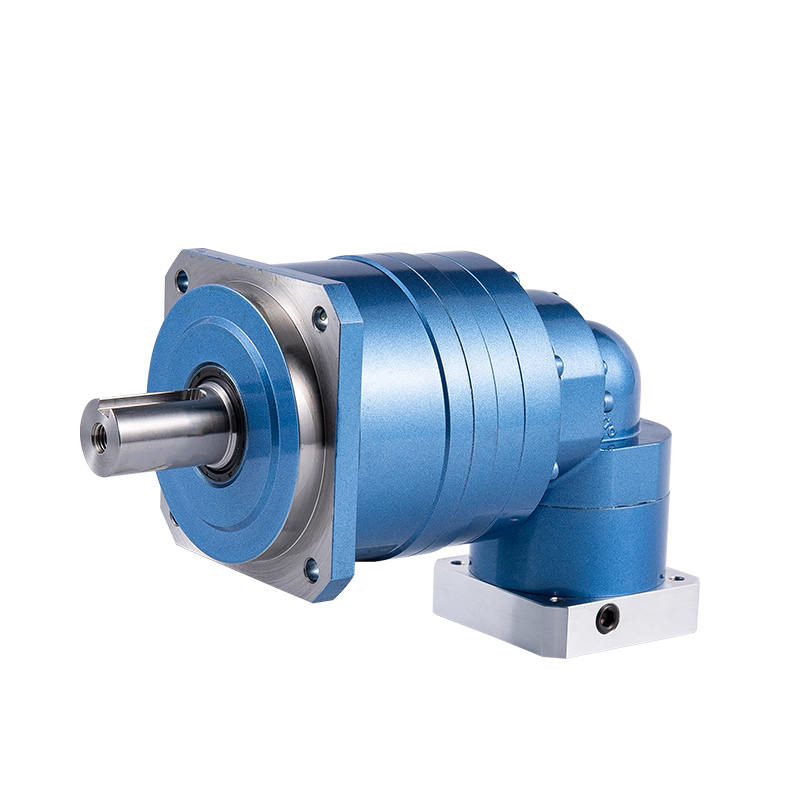
El reductor planetario adopta un diseño de engranaje helicoidal, que permite un funcionamiento suave y silencioso y proporciona a los usuarios un e...
Ver detalles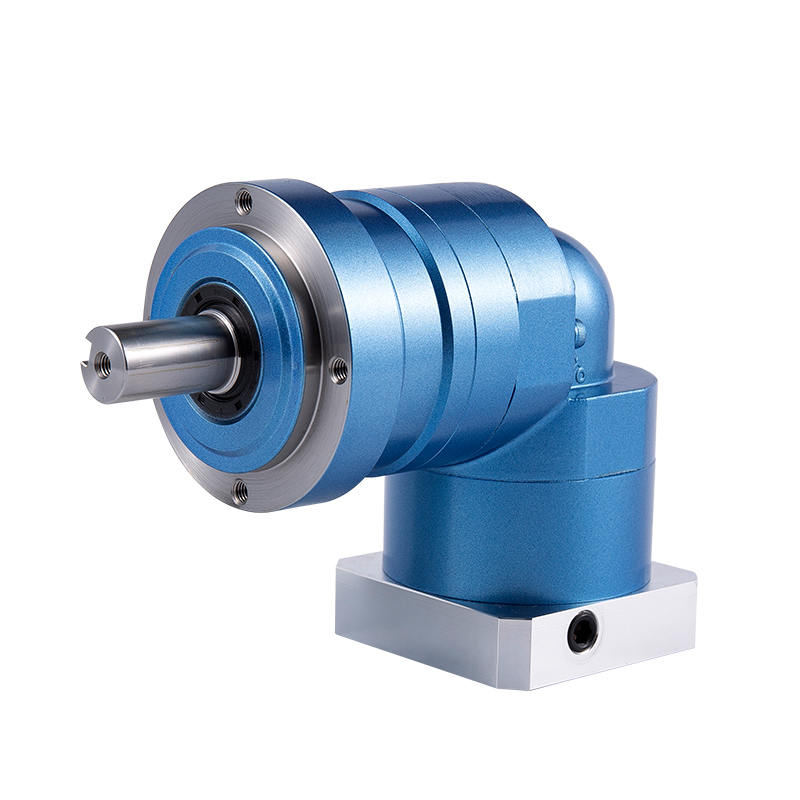
Características del reductor planetario. 1. Silencioso: utilice engranajes helicoidales para lograr un funcionamiento suave y silencioso; ...
Ver detalles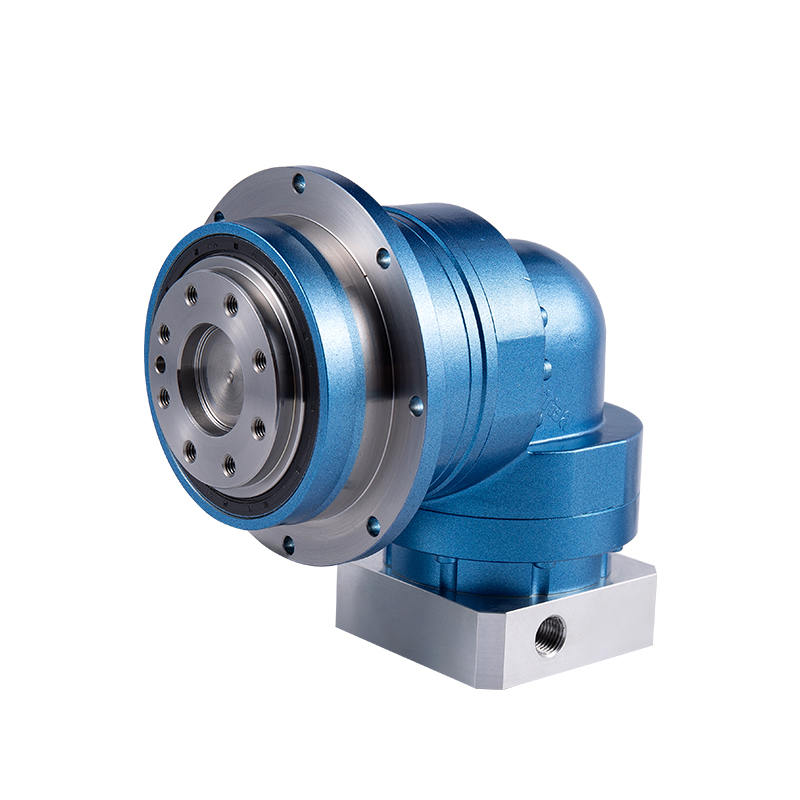
Características del reductor planetario. 1. Alta precisión: el juego estándar es de 4 minutos de arco, lo cual es muy adecuado para el cont...
Ver detalles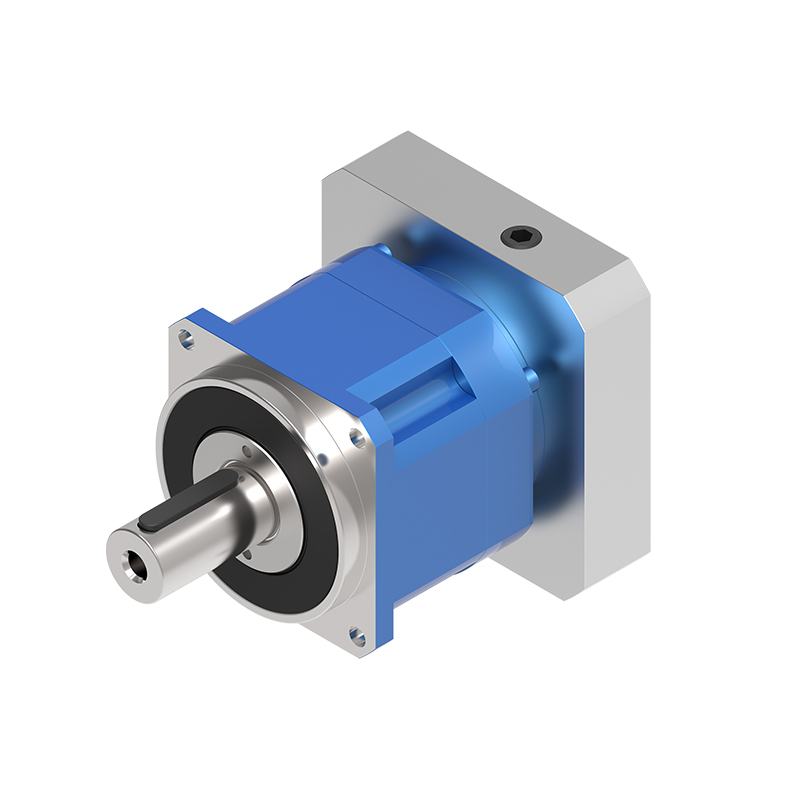
1. Diseño de engranajes helicoidales El mecanismo de reducción de velocidad adopta un diseño de engranaje helicoidal y su velocidad de engranaje...
Ver detalles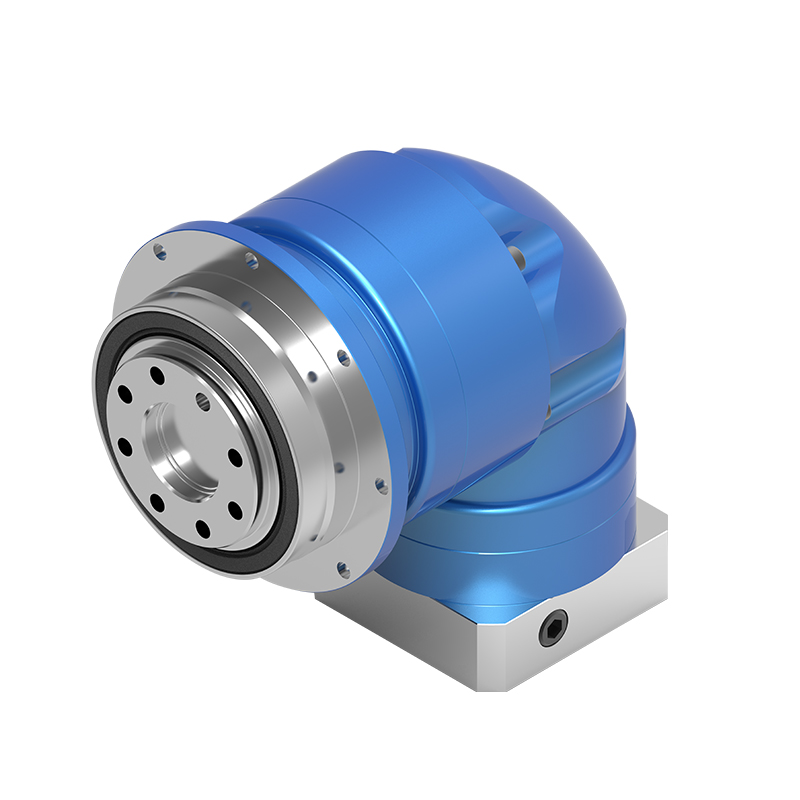
El reductor planetario de la de la serie NTR adopta un diseño de engranaje cónico en espiral, que permite la entrada de alta velocidad del servomot...
Ver detalles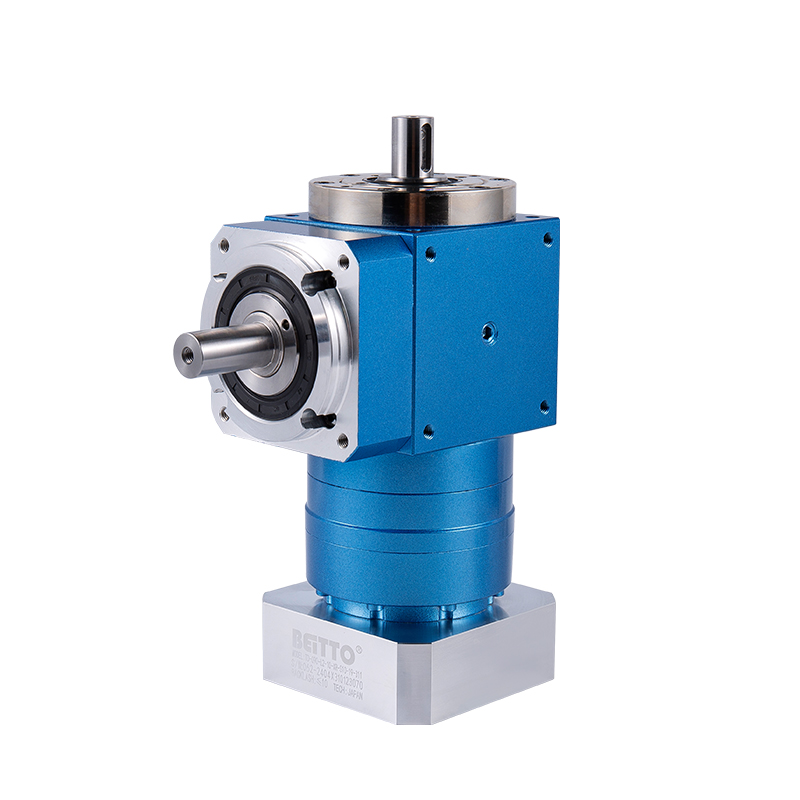
● Varias opciones de eje de salida ● Alto par ● Alta eficiencia ● Larga vida útil ● Baja reacción ● Sin mantenimiento ● Dimension...
Ver detalles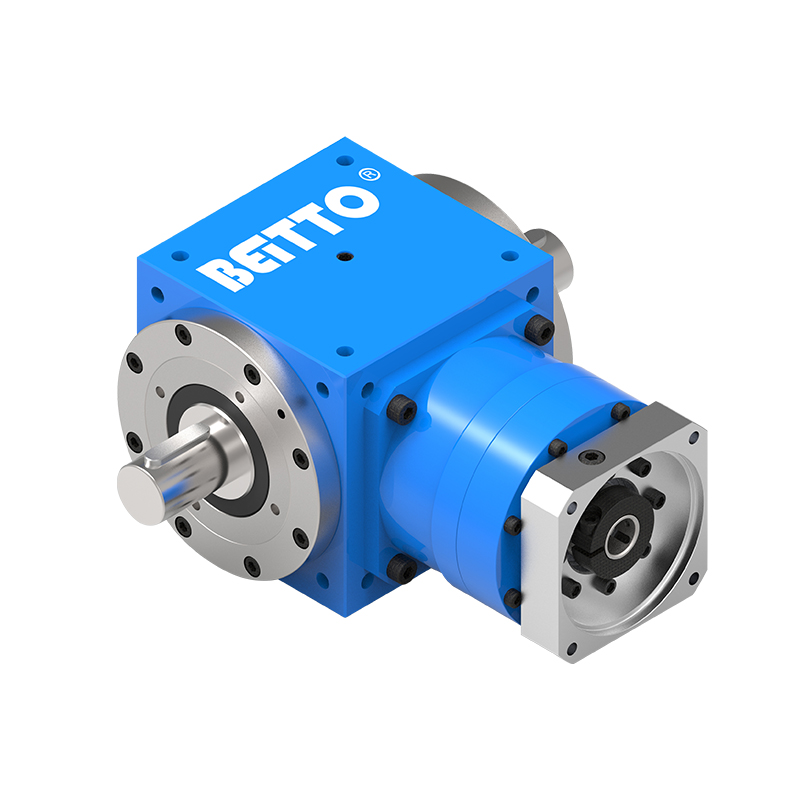
Para satisfacer las necesidades de diferentes condiciones de trabajo, el reductor de la de la serie TD-2P ofrece una variedad de opciones de eje de...
Ver detalles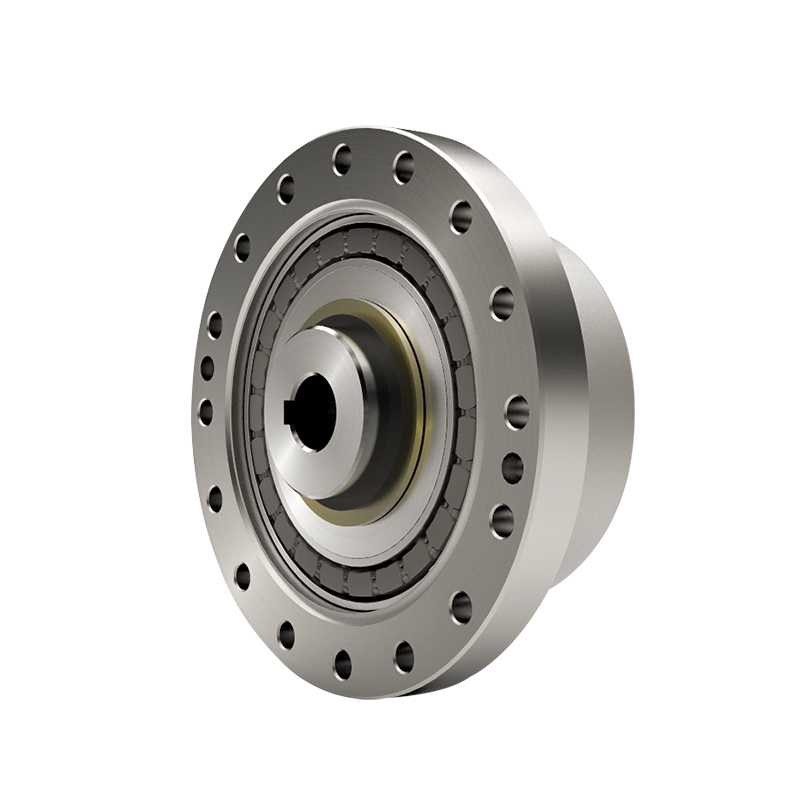
El reductor de engranajes flexible de la de la serie BCSF persigue la máxima ligereza y simplicidad en el diseño, lo que no solo reduce el espacio ...
Ver detalles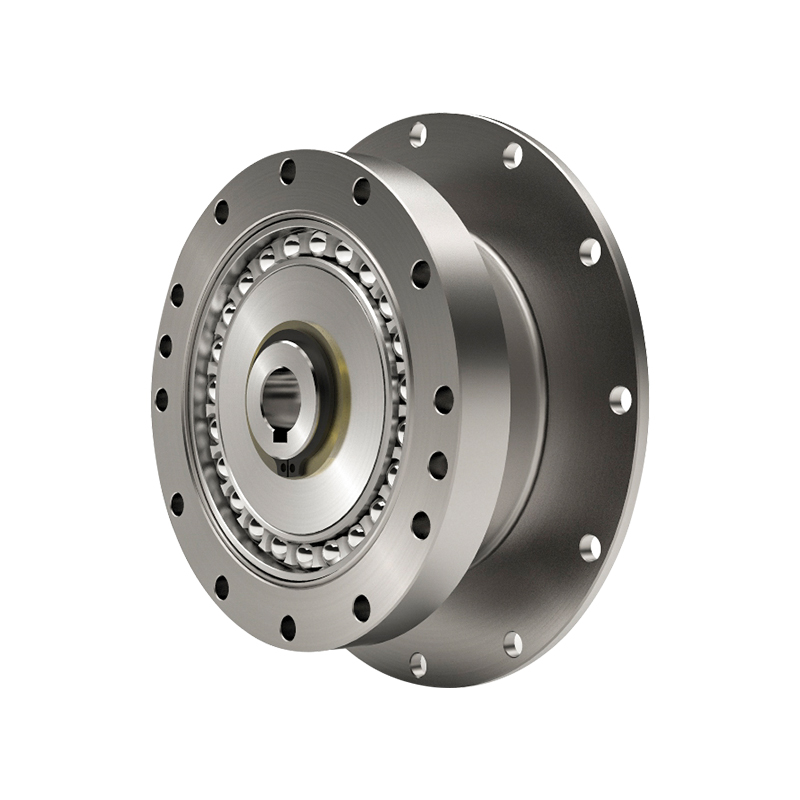
El reductor de engranajes flexible de la de la serie BSHF adopta un diseño de eje hueco de gran diámetro con una estructura compacta y reduce efica...
Ver detalles

